The Synergistic Role of Aluminium Hydroxide and Trichloroisocyanuric Acid in Flame Retardant Applications
Flame retardants are essential in enhancing the fire safety of various materials, and two notable compounds in this field are aluminium hydroxide and trichloroisocyanuric acid. This article explores their individual properties and potential synergistic applications in flame retardancy.
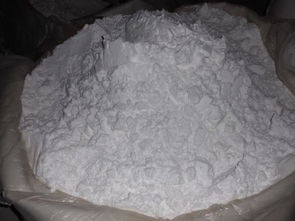
Aluminium hydroxide (Al(OH)₃), often appearing as a white powder, is a widely used flame retardant due to its non-toxic, halogen-free nature. It functions through an endothermic decomposition process when exposed to heat, releasing water vapor that cools the material and dilutes flammable gases. Additionally, it forms a protective char layer that insulates the underlying material from further degradation. Its versatility makes it suitable for polymers, textiles, and coatings.
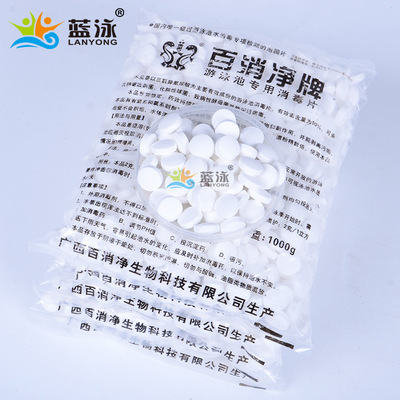
Trichloroisocyanuric acid (TCCA), on the other hand, is a chlorinated compound known for its strong oxidizing and disinfecting properties. While not a conventional flame retardant, it can contribute to fire suppression by releasing chlorine radicals that interfere with the combustion process in certain formulations. However, its use is often limited due to concerns over corrosive byproducts and environmental impact.
When combined, aluminium hydroxide and trichloroisocyanuric acid may offer complementary effects. For instance, aluminium hydroxide's cooling and char-forming actions can be enhanced by TCCA's radical-scavenging capabilities, potentially improving flame retardancy in specific composite materials. Research in this area focuses on optimizing ratios to maximize efficiency while minimizing hazards.
In summary, both compounds play distinct roles in flame retardancy, with aluminium hydroxide being a safer, more common choice. Further studies are needed to fully harness their synergistic potential in industrial applications.
如若转载,请注明出处:http://www.jingwei-chemical.com/product/243.html
更新时间:2026-01-24 07:17:27